
You are a Mobile Architecture grounds itself in its own parameters: it’s an ongoing investigation of the architecting within the environments of moving. It has no fixed meaning and no fixed form. It’s a haptic space, a smooth space where wind whistles, wood cracks. It requires all to participate in its becoming. It requires an open process of making, to allow for a work that is live, a form that is in forming.
YOU ARE A MOBILE ARCHITECTURE, 2015
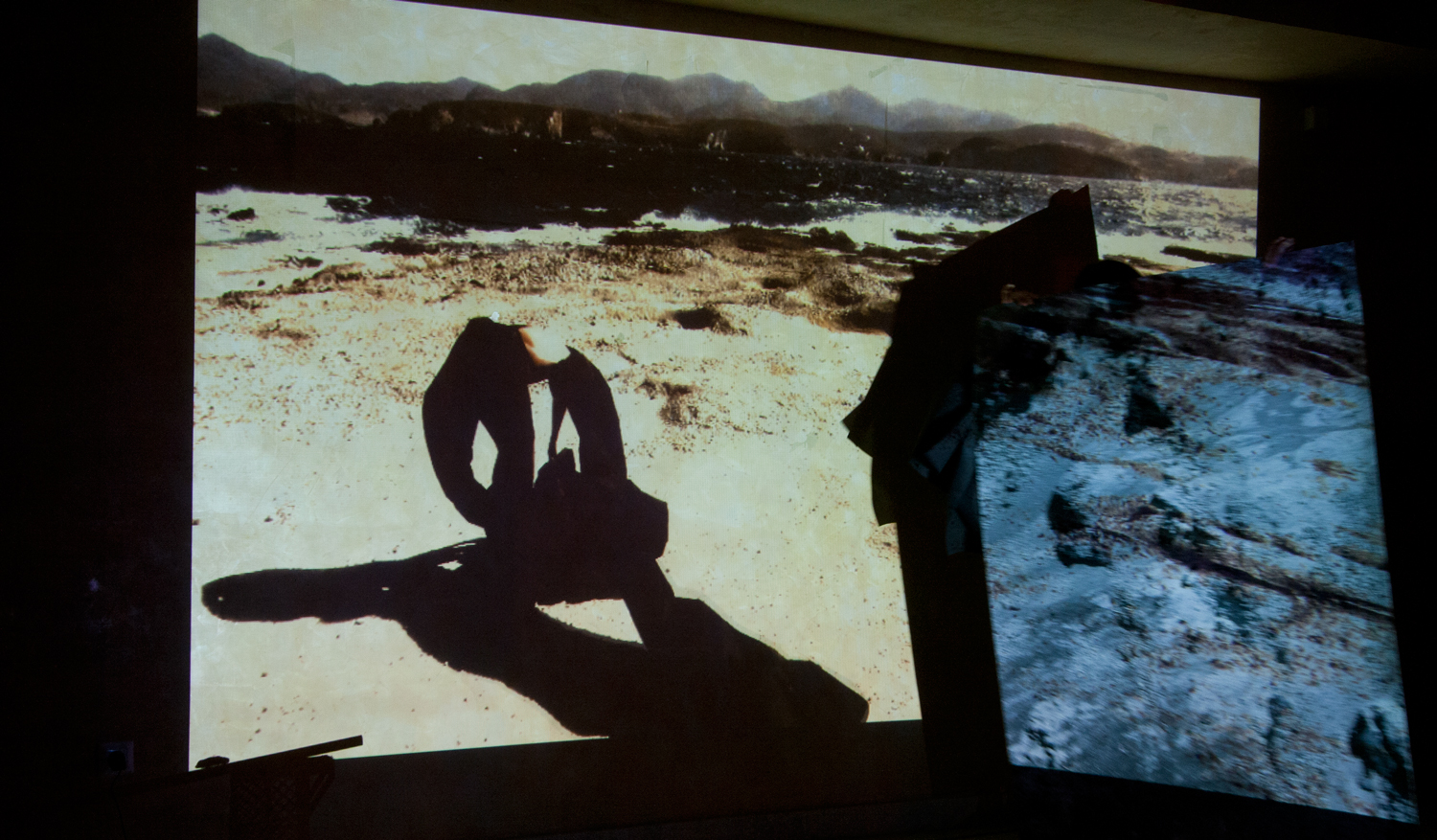
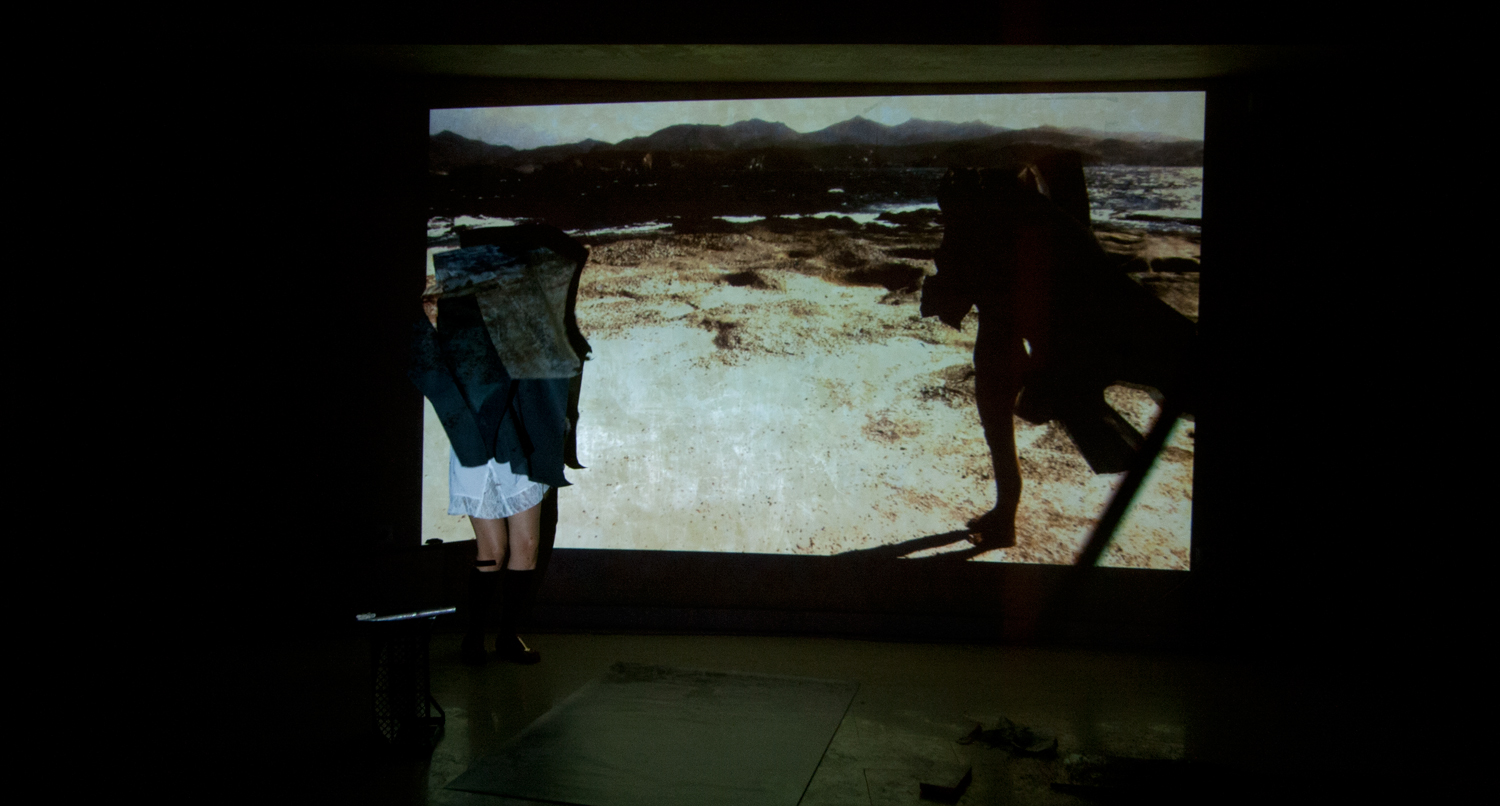
Milos Island Greece, Excerpt, Total Video Length, 47.02min, on replay
Body, Wind and Fabric – architecting within the environments of moving.
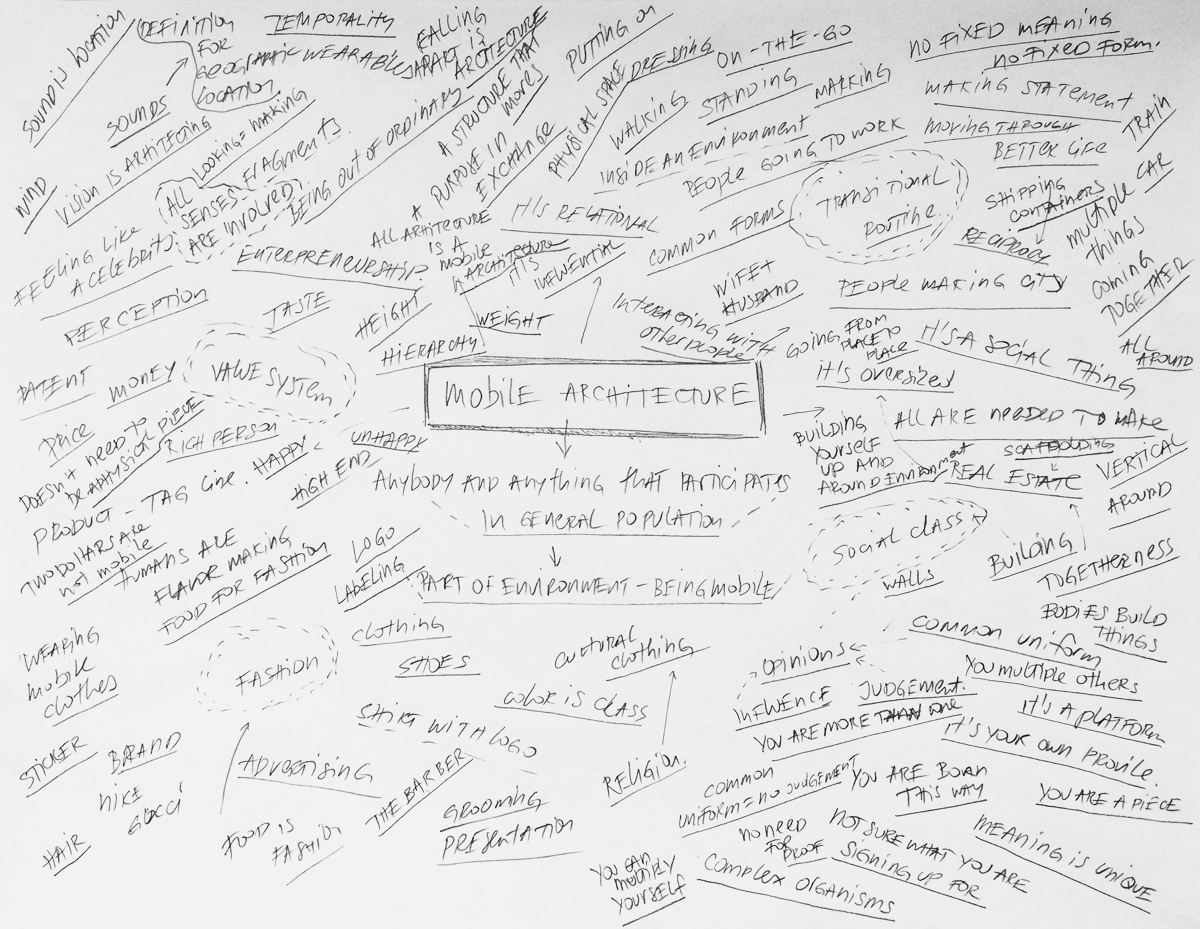
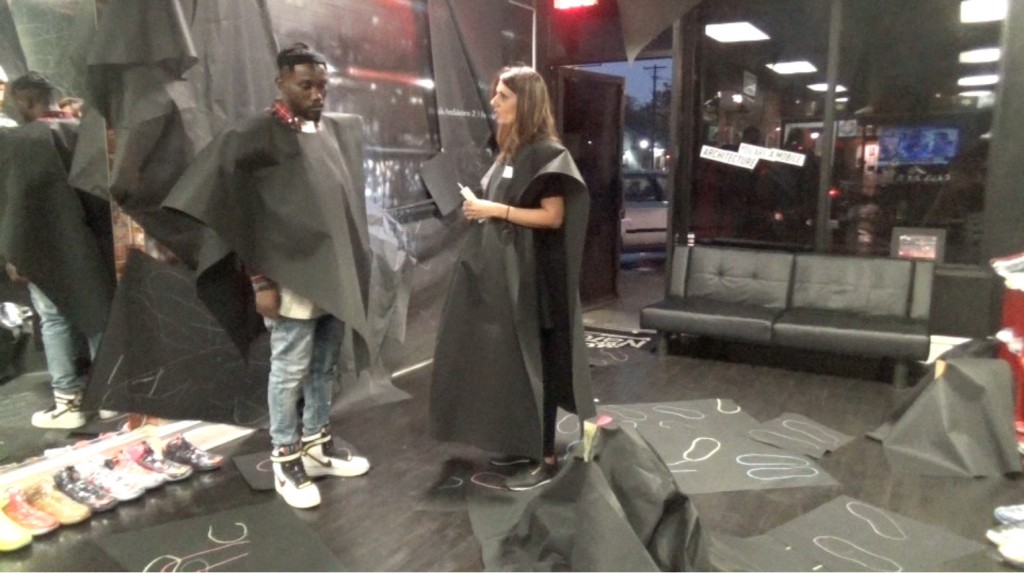
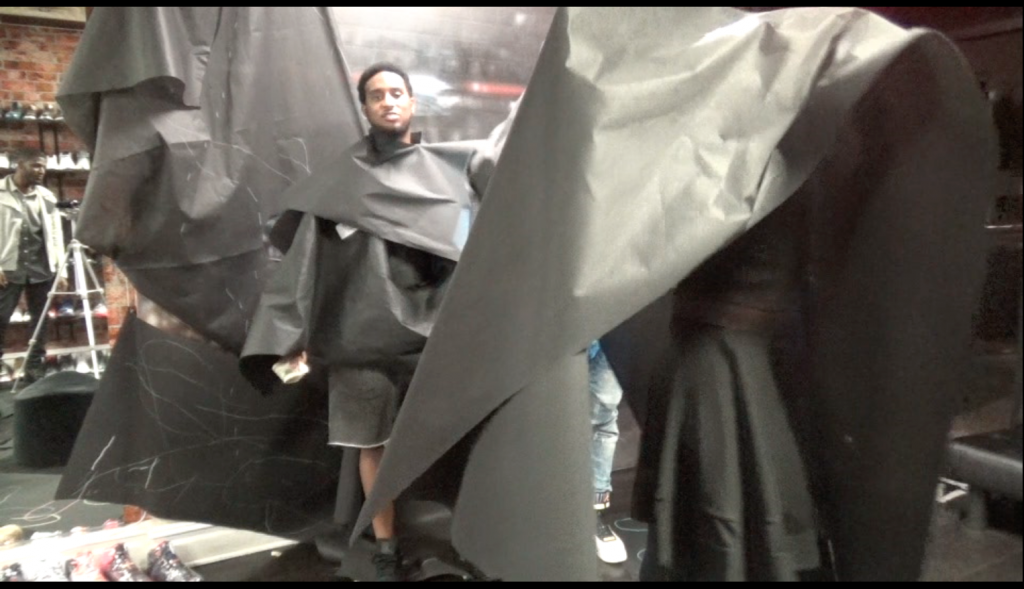
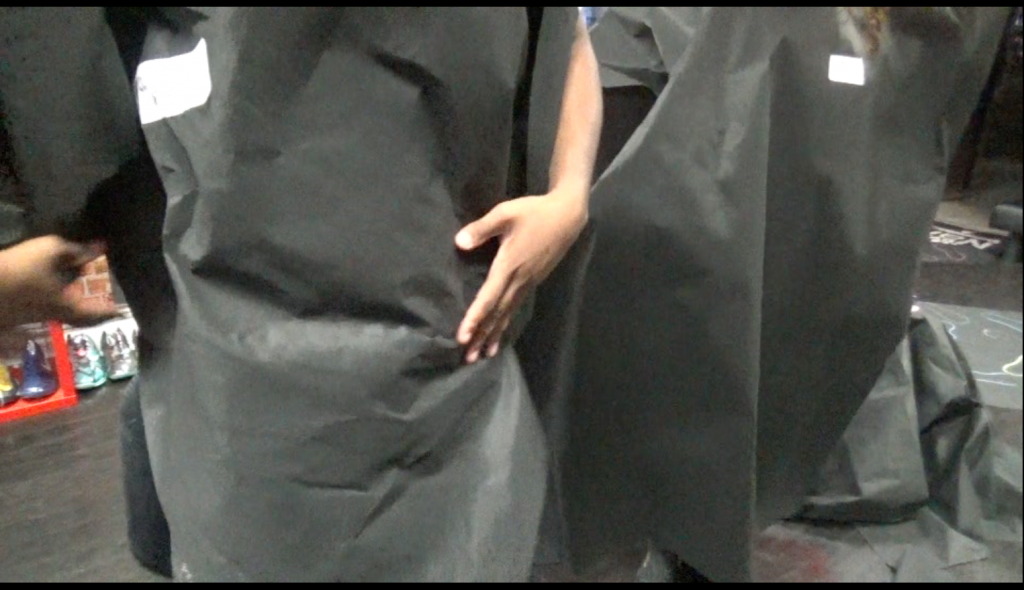
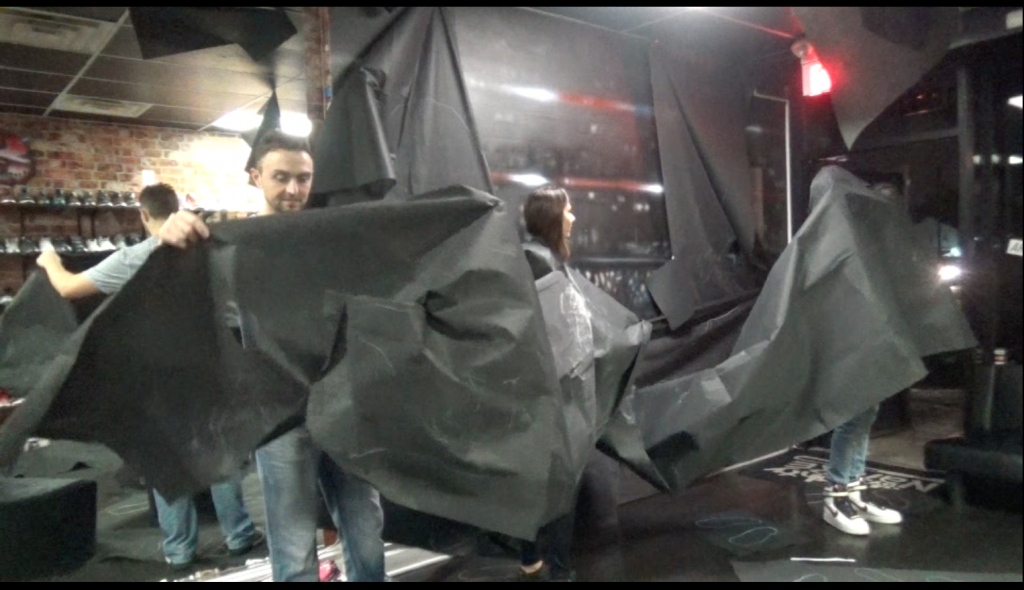
In 2015, I had a short 10 day visit to Milos and Santorini islands in Greece, with the thought of choreography in nature, [specifically islands: water moves – rocks partition], the role of weather phenomena and nature’s ordering as a way of architecting. Milos Island was in particular a special place that I deeply connected with in relation to my practice. Here, I came across a new agency in the making: strong wind. I took advantage of my findings and jumped into making photographs, video documentation, sound recordings, moving-sensing events, and a moving-making event of the agencies: body, wind and fabric, a process that started an early research on nature and human ordering. I called this project ‘You Are a Mobile Architecture’. Later, ‘You Are a Mobile Architecture’ turned into short experimental participatory evenings in both theatre and home setting, using the movement-in-perception and the following-of-the-events-of-forming, as a way for building-making through the choreographic object, perception in material, photography as a mean to move a location (location is orientation – orientation is location). In October 2015, I set up a 3-hour public ‘You Are a Mobile Architecture’ event in Rahway, New Jersey, where the audience was interviewed on the questions How are you a Mobile Architecture? What is a Mobile Architecture? The conversations lead to answers like: building social status, fashion, food, transitional routines, anything that moves-senses, branding, value/money, ongoingness in things, and other. This created a much broader understanding of what Mobile Architecture is and introduced new matters of concern to be explored. Architecture is more than just a construction that represents a shelter, but a dynamic of community values and ways of life.
Humans as a Mobile Architecture. How are we a Mobile Architecture?
What is Mobile Architecture?
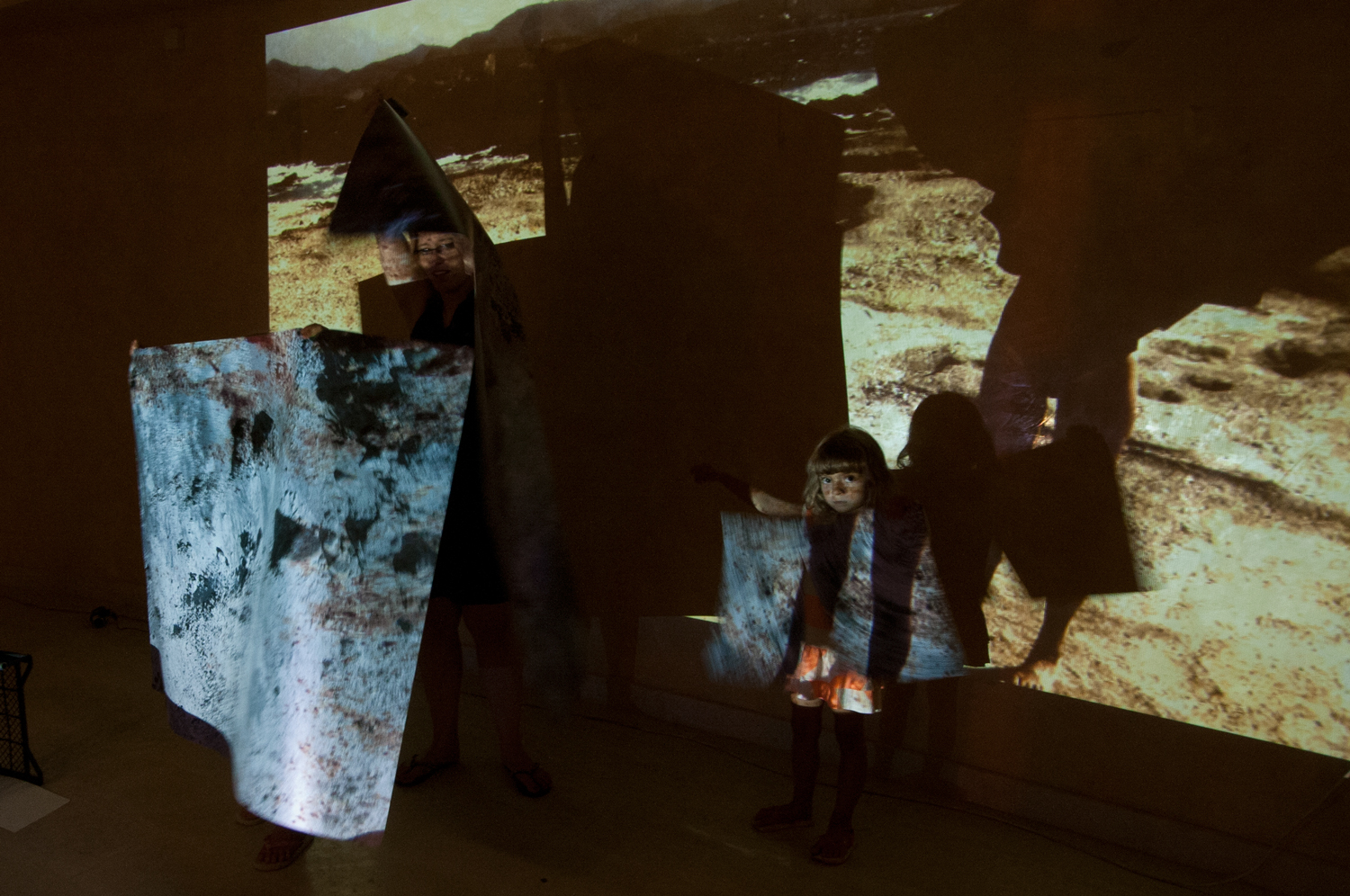
YOU ARE A MOBILE ARCHITECTURE – INTERVIEWS
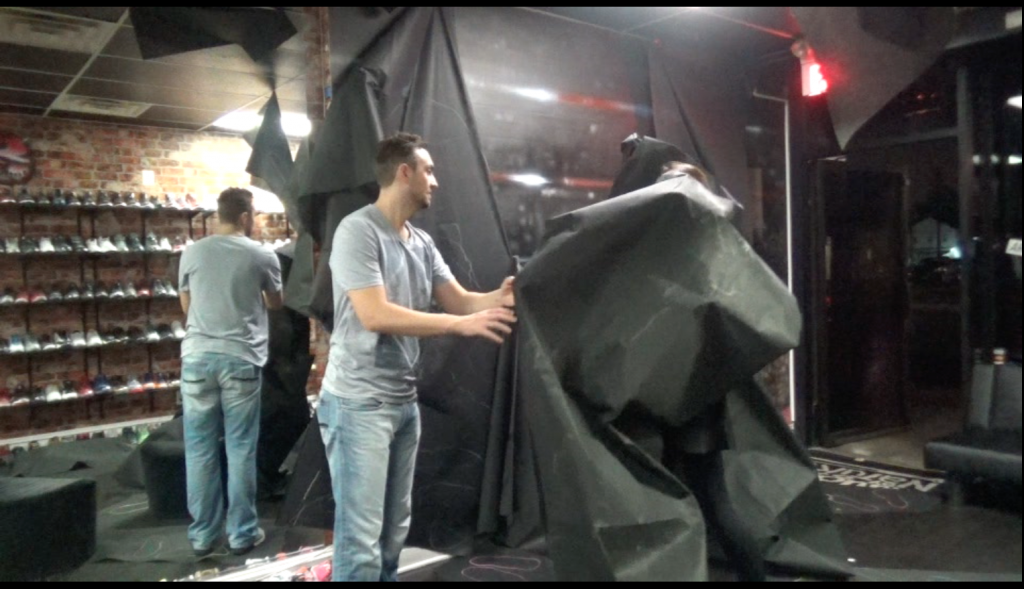
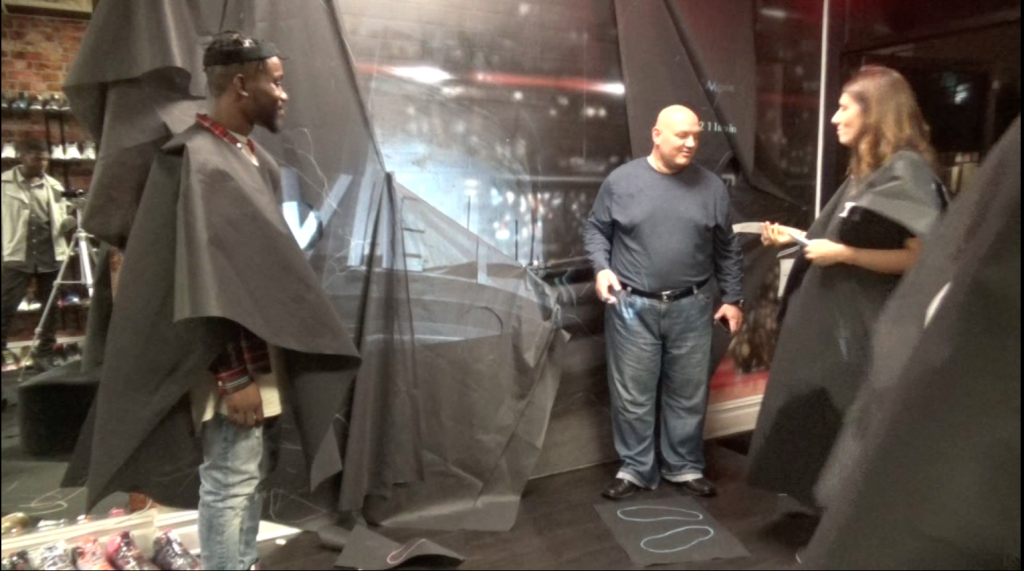
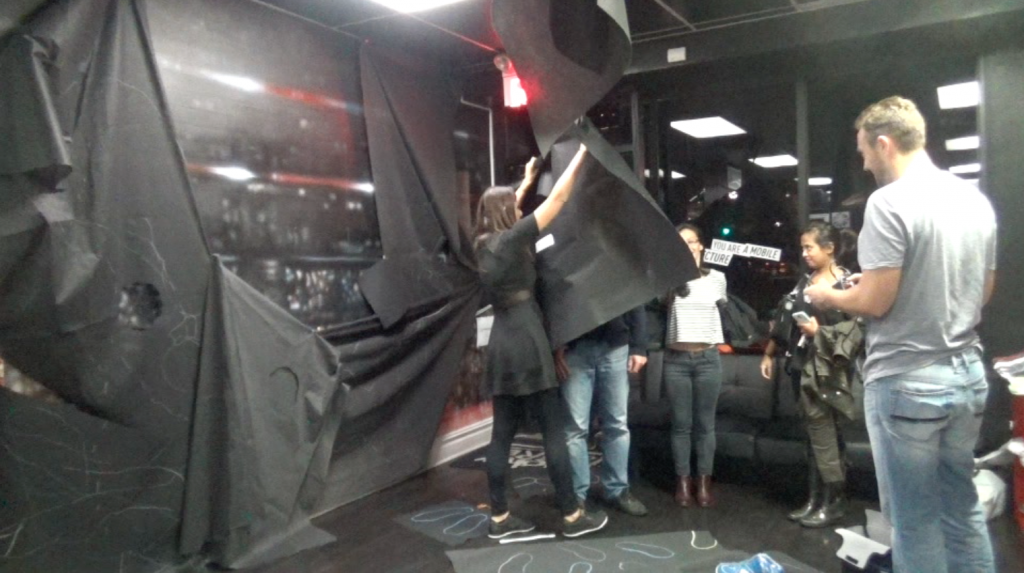
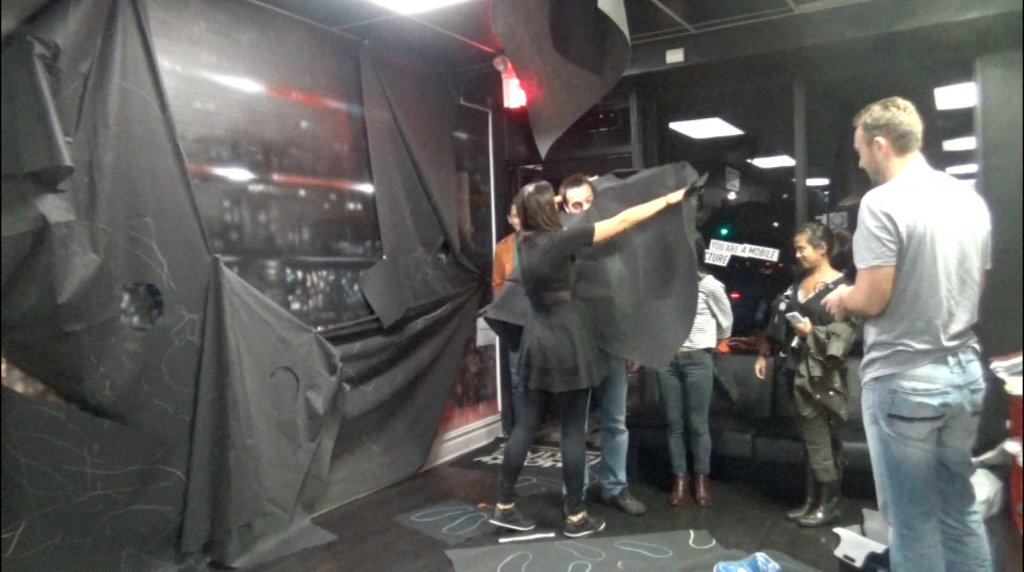
A public You are a Mobile Architecture event is set up where the audience is interviewed on the questions How are you a Mobile Architecture?
What is a Mobile Architecture? The conversations that arise from these questions are building social status, fashion, urban architecture,
anything that moves-senses, branding, value/money, ongoingness in things, economics, trends, and other.
3 hour Participatory Event, Rahway, NJ
October 6th, 2015
Conducting interviews with residents in Rahway, NJ on the questions Are you a Mobile Architecture, and How?
Conversations Diagram





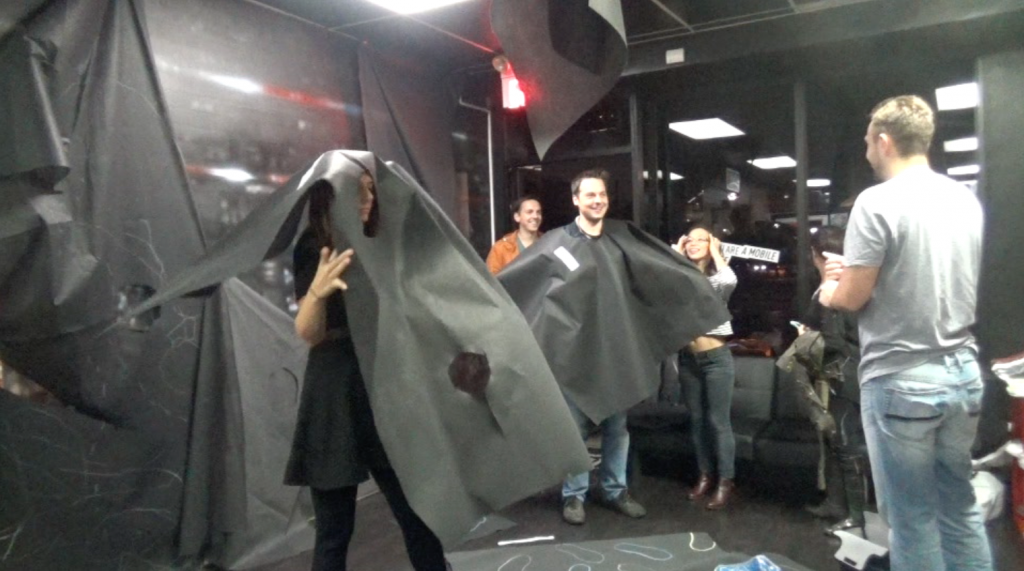
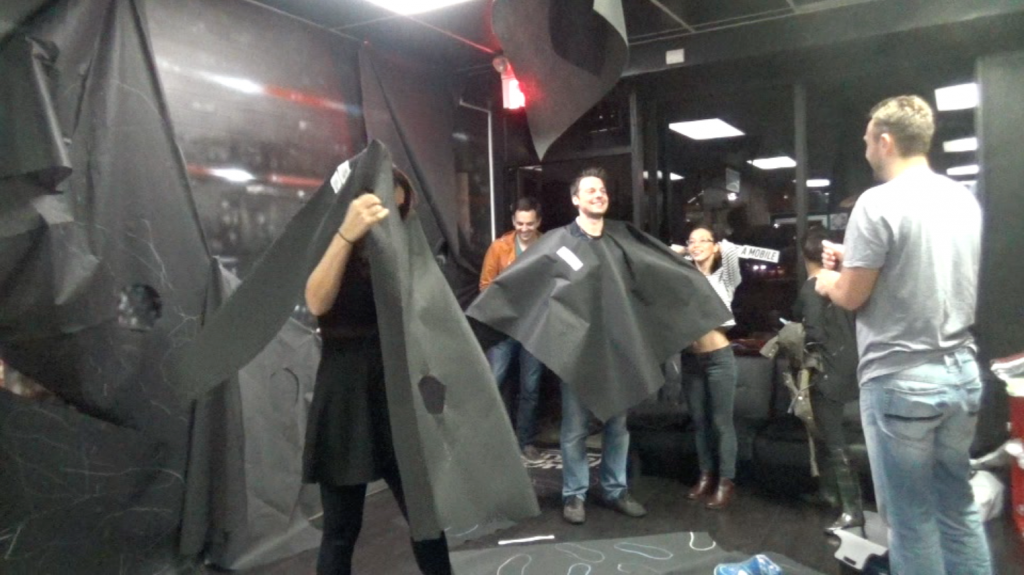
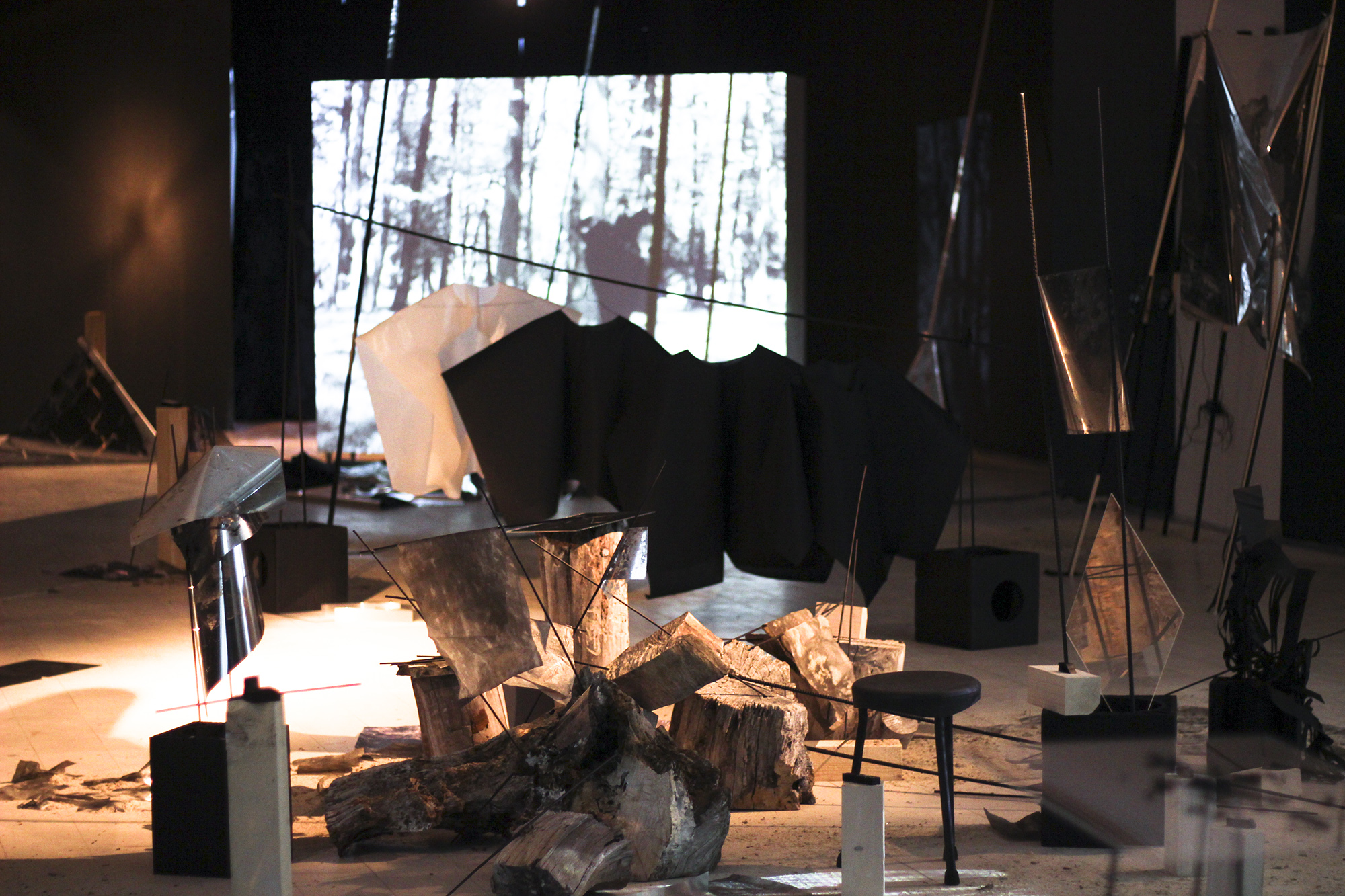
My last ‘You Are a Mobile Architecture’ project at the Museum of Contemporary Art in Skopje, North Macedonia, 2018, was a 3-month long multi-sensorial event that consisted of many of the initial findings and processes discovered on Milos Island and in later work: it choreographed movements through propositions such as: wearables, modular forms, the photographic object, sound as a location, materiality as the event, techniques of ordering by nature and humans, and what is occurring. The exhibition’s dense set up of materials, mediums and actions brought up new and important questions on perception and the world we make in our improvised selective processes.